
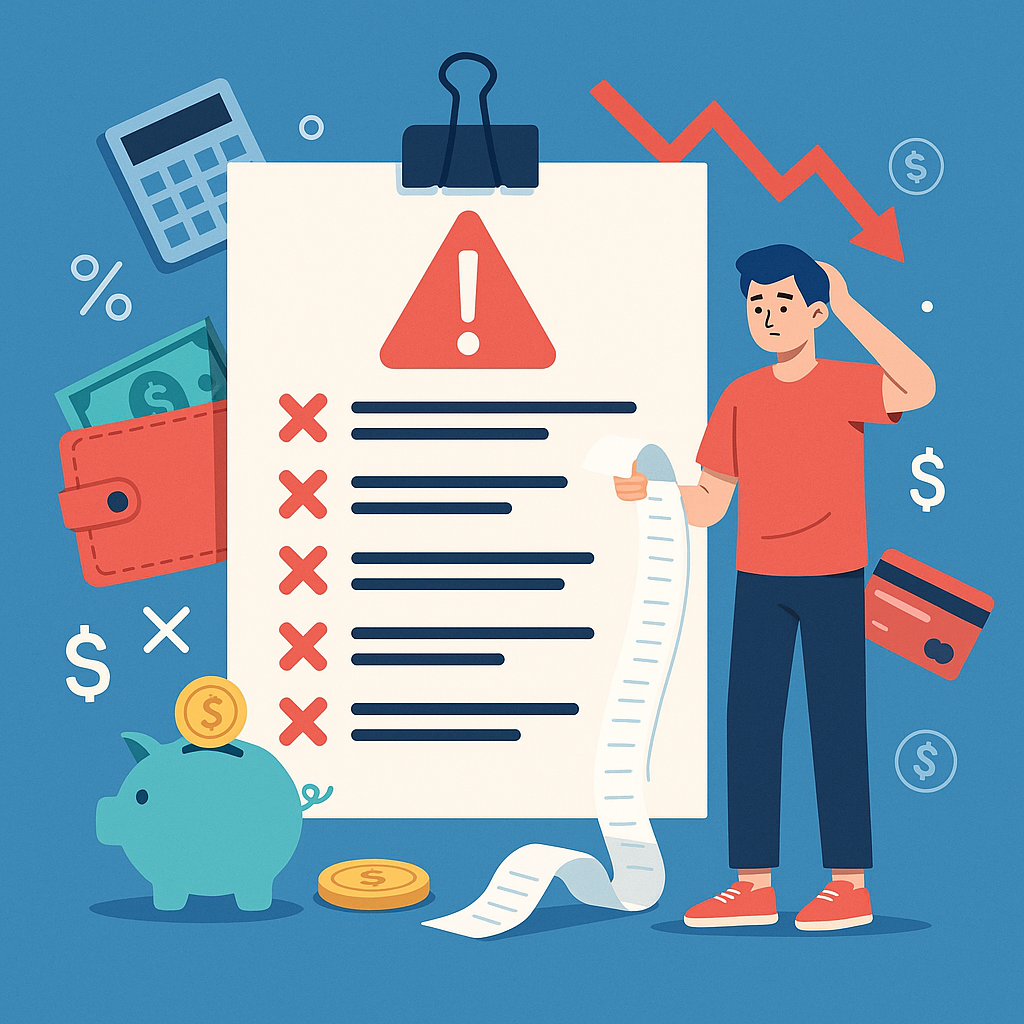
Starting your financial journey can feel overwhelming. When you are new to managing money intentionally, it is easy to make mistakes that slow progress or create unnecessary stress. The truth is that most people were never taught how to handle personal finances properly, so learning often happens through trial and error.
Financial mistakes are not a sign of failure. They are a normal part of learning. What truly matters is recognizing these mistakes early and understanding how to avoid repeating them. Small missteps can turn into long-term problems if left unaddressed, but with awareness and simple adjustments, they can become valuable lessons.
This article was written with a strong focus on originality, SEO optimization, and full compliance with Google AdSense policies. It is educational, realistic, and avoids exaggerated promises or guarantees. The goal is to help beginners build a solid financial foundation by understanding common mistakes and learning how to prevent them.
Below are ten financial mistakes that many beginners make, along with practical and realistic ways to avoid them.
1. Not Tracking Expenses at All
One of the most common mistakes beginners make is not knowing where their money goes. Many people assume they have a general idea of their spending, but small daily expenses often add up without notice.
Without tracking expenses, it becomes difficult to understand spending patterns, identify unnecessary costs, or plan effectively. This lack of awareness can lead to overspending and frustration at the end of the month.
To avoid this mistake, start tracking every expense, even small ones. Use a notebook, spreadsheet, or budgeting app. The method does not matter as much as consistency. Tracking creates awareness, and awareness is the foundation of financial control.
2. Living Without a Budget
Another major mistake beginners make is avoiding budgeting altogether. Some people believe budgets are restrictive or unnecessary, while others feel overwhelmed by the idea of creating one.
Without a budget, money decisions become reactive rather than intentional. Expenses pile up, savings are inconsistent, and financial goals remain unclear.
To avoid this mistake, create a simple and realistic budget that reflects your real lifestyle. Start with essential expenses, then include savings and room for enjoyment. A budget should guide your money, not punish you. When done correctly, it reduces stress and increases clarity.
3. Relying Too Much on Credit Cards
Credit cards can be useful tools, but beginners often rely on them too heavily. Using credit to cover everyday expenses without a clear repayment plan can quickly lead to high-interest debt.
Many beginners underestimate how interest accumulates over time. What starts as a small balance can grow into a long-term burden.
To avoid this mistake, use credit responsibly and intentionally. Only charge what you can afford to pay off within a reasonable time. Always understand interest rates and payment terms. Credit should support your finances, not control them.
4. Ignoring the Importance of an Emergency Fund
Many beginners focus on paying bills and covering daily expenses but ignore the need for emergency savings. This mistake often leads to financial stress when unexpected events occur.
Without an emergency fund, situations such as medical expenses, repairs, or temporary income loss often result in debt. This creates a cycle that is difficult to break.
To avoid this mistake, start building an emergency fund as early as possible. Begin with small, consistent contributions. Even a modest fund can provide relief and protection. Over time, aim to save enough to cover several months of essential expenses.
5. Spending Without Clear Financial Goals
Beginners often spend money without having clear financial goals. Without goals, it becomes difficult to prioritize or measure progress.
Spending without direction leads to reactive decisions and a lack of motivation to save or plan ahead. Money is used for immediate comfort rather than long-term benefit.
To avoid this mistake, define clear and realistic financial goals. These may include saving for emergencies, reducing debt, or improving daily financial habits. Write your goals down and review them regularly. Goals give purpose to your money and guide better decisions.
6. Trying to Change Everything at Once
When beginners become motivated to improve their finances, they often try to change everything immediately. While enthusiasm is positive, drastic changes are difficult to maintain.
Attempting to overhaul spending habits, savings, and lifestyle all at once often leads to burnout and frustration. When the plan fails, motivation disappears.
To avoid this mistake, focus on gradual improvement. Choose one or two habits to work on at a time. Small, consistent changes are far more effective than extreme short-term efforts. Financial growth is a long-term process, not a sprint.
7. Falling for “Quick Fix” Financial Advice
Beginners are often vulnerable to advice that promises fast results or guaranteed success. These messages can be appealing, especially when finances feel stressful.
Quick-fix solutions often ignore real-life complexity and promote unrealistic expectations. Following them can lead to disappointment or financial loss.
To avoid this mistake, focus on educational and reliable sources. Be cautious of content that guarantees results or minimizes risks. Sustainable financial improvement is built through consistency, patience, and realistic planning.
8. Not Planning for Irregular Expenses
Many beginners focus only on monthly bills and forget about irregular or annual expenses. These costs can include insurance, maintenance, gifts, or occasional travel.
When these expenses arise unexpectedly, they often disrupt budgets and lead to debt. This creates stress and undermines progress.
To avoid this mistake, plan ahead for irregular expenses. Set aside small amounts regularly to cover future costs. Anticipating these expenses makes them manageable and prevents financial surprises.
9. Comparing Financial Progress to Others
Comparing your financial situation to others is a common and harmful mistake. Everyone’s circumstances, income, responsibilities, and opportunities are different.
Constant comparison can lead to frustration, unrealistic expectations, or poor decisions made out of pressure. It can also discourage progress by making your achievements feel insignificant.
To avoid this mistake, focus on your own journey. Measure success by personal progress, stability, and reduced stress. Financial growth is individual, and consistency matters more than comparison.
10. Lacking Patience and Long-Term Perspective
Many beginners expect quick results when improving their finances. When progress feels slow, discouragement sets in.
Financial stability takes time to build. Savings grow gradually, habits take time to form, and mistakes are part of learning. Impatience often leads to abandoning good habits too early.
To avoid this mistake, adopt a long-term mindset. Focus on progress rather than perfection. Celebrate small wins and understand that consistency compounds over time. Patience is one of the most important financial skills you can develop.
How Avoiding These Mistakes Builds a Strong Financial Foundation
Recognizing common financial mistakes is one of the most powerful steps a beginner can take. Awareness transforms errors into lessons and setbacks into growth opportunities.
By tracking expenses, budgeting realistically, managing credit responsibly, and planning ahead, beginners can avoid many unnecessary challenges. These practices create stability, confidence, and clarity.
Financial success is not about never making mistakes. It is about learning from them and making better decisions over time.
Building Confidence Through Financial Awareness
As beginners avoid common mistakes, confidence naturally increases. Understanding money creates a sense of control that reduces anxiety and stress.
Confidence does not come from income level, but from knowing how to manage resources effectively. Small wins build momentum and reinforce healthy habits.
Over time, financial decisions become less emotional and more intentional.
Mistakes Are Part of the Financial Learning Process
Everyone makes financial mistakes, especially at the beginning. What matters is how quickly they are recognized and corrected.
Viewing mistakes as learning opportunities encourages growth instead of guilt. This mindset supports long-term consistency and resilience.
Financial education is a journey, and mistakes are stepping stones, not failures.
Creating a Strong Start for Long-Term Financial Health
Avoiding common beginner mistakes sets the stage for long-term financial stability. Simple habits practiced consistently create powerful results over time.
By focusing on awareness, patience, and realistic planning, beginners can build a financial life that supports their goals and values.
Financial health is not about perfection. It is about progress, consistency, and learning along the way. With the right mindset and habits, even beginners can create a strong and sustainable financial future.

Nanda Cardoso is a personal finance writer focused on financial education, money habits, and financial well-being. The content published on this site is for educational purposes only and does not constitute financial advice.