
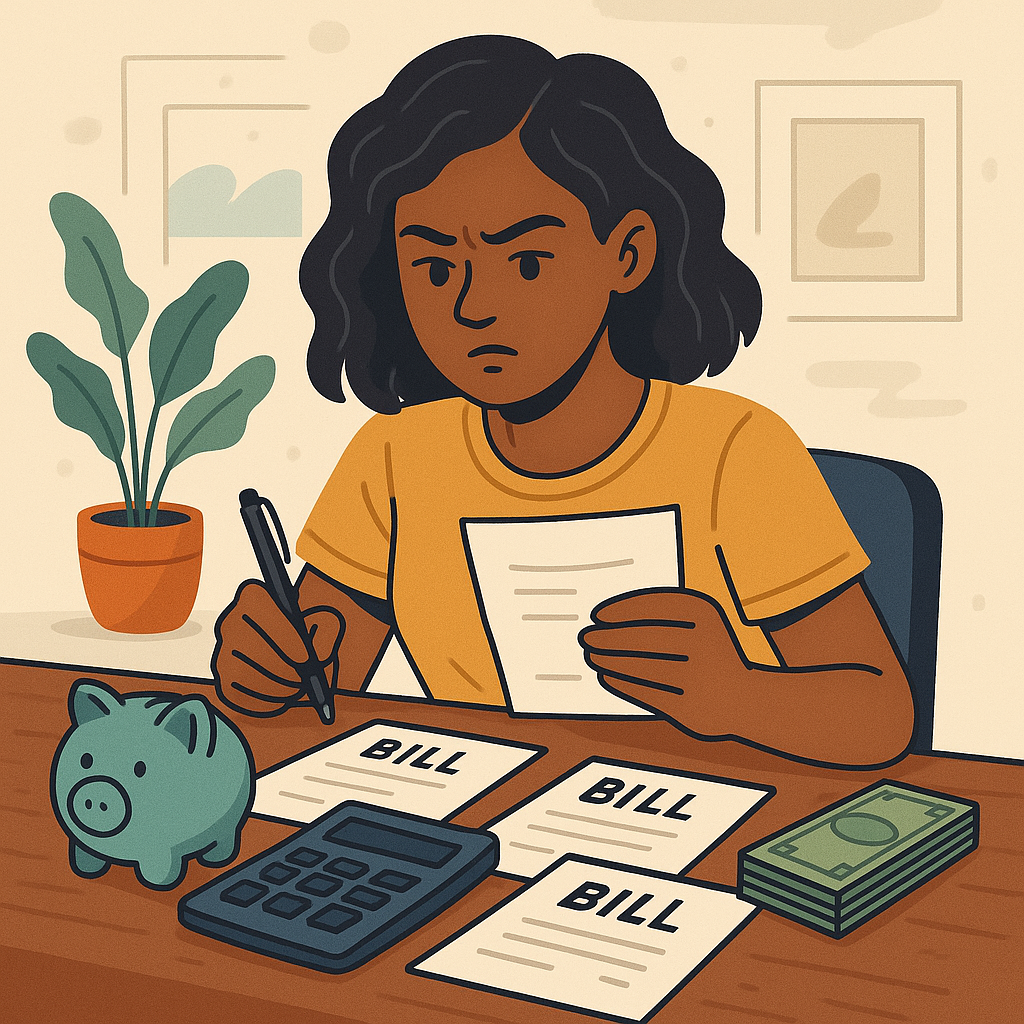
Debt is one of the most common sources of financial stress. For many people, it feels like a constant weight, creating anxiety, guilt, and a sense of being stuck. Bills arrive every month, balances seem slow to decrease, and the pressure to “fix everything at once” can quickly become overwhelming. The emotional burden of debt often makes the situation feel worse than it actually is.
Paying off debt does not need to be an exhausting or stressful experience. When approached with clarity, structure, and realistic expectations, debt repayment can become a manageable and even empowering process. The key is shifting the focus from urgency and fear to consistency and progress.
This guide is designed to help you understand how to pay off debt in a calm, sustainable way. It is not about extreme sacrifices or quick fixes. Instead, it focuses on reducing overwhelm, building control, and creating a plan that fits your real life.
Understanding Why Debt Feels So Overwhelming
Debt feels overwhelming because it combines financial pressure with emotional stress. Numbers alone rarely cause anxiety; uncertainty does. When you are unsure how long debt will last or how to manage it effectively, stress naturally increases.
Another factor is the way debt accumulates. Interest, minimum payments, and multiple balances can make progress feel invisible, even when you are making payments consistently. This lack of visible progress often leads to frustration and discouragement.
Understanding that these feelings are common helps reduce self-blame. Debt is not a personal failure; it is a financial situation that can be addressed with the right approach.
Changing Your Mindset Around Debt Repayment
The first step toward paying off debt without stress is changing how you think about it. Debt repayment is not a punishment or a sign that you have done something wrong. It is simply a process of realigning your finances.
Shifting from a mindset of urgency to one of consistency is essential. You do not need to eliminate all debt immediately to make meaningful progress. Small, steady steps are often more effective and sustainable than aggressive strategies that lead to burnout.
Viewing debt repayment as a long-term project rather than an emergency reduces pressure and makes the process more manageable.
Getting Clear on What You Owe
Clarity reduces anxiety. Before creating a plan, it is important to understand exactly what you owe. This means listing all debts, including balances, interest rates, and minimum payments.
Avoid the temptation to ignore or delay this step. While it may feel uncomfortable, having a complete picture gives you control. Once everything is visible, the problem often feels less intimidating than expected. This clarity allows you to make informed decisions and prevents surprises that can disrupt your plan later.
Understanding Your Cash Flow
Debt repayment should be based on your actual financial reality, not an idealized version of it. Understanding your monthly cash flow is essential for creating a plan that does not cause stress.
Review your income and essential expenses first. This helps determine how much flexibility you have for debt payments. Even small amounts matter when applied consistently. A realistic view of your finances prevents overcommitment and ensures that your plan supports stability rather than creating additional pressure.
Creating a Simple and Realistic Debt Repayment Plan
A good debt repayment plan is simple, realistic, and flexible. Complex strategies often increase stress rather than reduce it. The goal is not to create a perfect plan, but one you can follow consistently. Start by committing to minimum payments on all debts to avoid penalties. Then decide how much extra you can reasonably apply toward debt each month. This amount should feel manageable, not restrictive. Consistency matters more than speed. A plan you can maintain calmly over time is far more effective than an aggressive plan that leads to exhaustion.
Choosing a Repayment Approach That Fits You
There are different approaches to debt repayment, and the best one is the one you can stick to. Some people prefer focusing on smaller balances first to gain momentum, while others prioritize higher-interest debts to reduce costs over time. Neither approach is inherently better than the other. What matters is choosing a method that aligns with your personality and motivation style. Emotional sustainability is just as important as financial efficiency. When you feel encouraged rather than discouraged by your plan, stress naturally decreases.
Avoiding Comparison and External Pressure
One of the biggest sources of stress during debt repayment is comparison. Seeing others pay off debt quickly or follow extreme strategies can create unrealistic expectations.
Your financial situation is unique. Comparing your progress to others often leads to frustration and self-criticism. Focus on your own path and celebrate your progress, no matter how small it may seem. Reducing external pressure allows you to move forward at a pace that supports your well-being.
Managing Interest Without Panic
Interest is often viewed as the enemy, but panicking about interest can increase stress unnecessarily. While interest does affect the total amount you repay, it should be managed calmly rather than feared.
Understanding how interest works helps you make informed decisions. Paying more than the minimum when possible reduces interest over time, but there is no need to feel guilty if progress feels slow. A calm approach allows you to balance debt repayment with other financial priorities.
Building an Emergency Buffer While Paying Off Debt
One common mistake is focusing exclusively on debt repayment without preparing for unexpected expenses. Without a small emergency buffer, even minor surprises can push you back into debt.
Including a modest emergency fund in your plan reduces stress and provides security. This buffer does not need to be large; its purpose is to prevent setbacks. Knowing you have a safety net makes the debt repayment process feel less fragile and more controlled.
Creating Boundaries That Reduce Financial Stress
Stress often comes from feeling restricted. Creating boundaries around spending can actually reduce this feeling by providing structure. Rather than cutting everything enjoyable, focus on mindful spending. Allowing room for small pleasures prevents resentment and burnout. A balanced approach supports mental well-being while still prioritizing debt repayment.
Tracking Progress Without Obsession
Tracking progress is important, but obsessing over numbers can increase anxiety. Choose a simple way to monitor your debt reduction, such as monthly check-ins. Celebrate milestones, even small ones. Progress may be gradual, but acknowledging it reinforces motivation. Viewing progress as a journey rather than a race helps maintain perspective.
Communicating Openly About Debt When Necessary
Debt can feel isolating, but avoiding conversations often increases stress. When appropriate, communicating openly with trusted partners or family members can provide support. Clear communication also helps align expectations and reduce misunderstandings related to financial decisions. Feeling supported makes the process less overwhelming.
Avoiding New Debt While Reducing Existing Balances
One of the most important aspects of stress-free debt repayment is avoiding the accumulation of new debt. This does not require perfection, but awareness.
Before taking on new obligations, consider how they align with your plan. Thoughtful decisions reduce setbacks and reinforce progress. This awareness gradually strengthens financial confidence.
Understanding That Progress Is Not Linear
Debt repayment rarely follows a straight line. Some months will be better than others, and setbacks may occur. This does not mean failure.
Accepting that progress fluctuates reduces frustration and prevents discouragement. What matters is continuing to move forward over time. A flexible mindset supports resilience.
Redefining Success During Debt Repayment
Success is not defined solely by how fast you eliminate debt. It is also measured by reduced stress, increased control, and improved habits. Recognizing these non-financial wins reinforces motivation and confidence. Debt repayment is as much about emotional well-being as it is about numbers.
Staying Focused on Long-Term Stability
The ultimate goal of paying off debt is long-term stability, not short-term relief. Keeping this perspective helps guide decisions and maintain balance. Stability comes from consistent habits, realistic planning, and patience. This long-term focus reduces pressure and supports sustainable progress.
Learning From the Process Without Self-Criticism
Debt repayment offers valuable lessons about spending, saving, and priorities. Viewing these lessons with curiosity rather than judgment promotes growth. Self-compassion is essential. Financial learning takes time, and mistakes are part of the process. A supportive mindset accelerates improvement.
Connecting Debt Repayment to Your Broader Financial Goals
Debt repayment is not an isolated task; it supports your broader financial goals. Reducing debt increases flexibility and creates opportunities for saving and investing. Connecting your plan to future goals provides motivation and meaning. This perspective transforms debt repayment into a step forward rather than a burden.
Preparing for Life After Debt
As balances decrease, it is helpful to think about how you will redirect freed-up money. Planning ahead prevents uncertainty and maintains momentum. This transition marks a shift from recovery to growth.
Preparation reinforces confidence.
Final Thoughts on Paying Off Debt Without Stress or Overwhelm
Paying off debt does not have to be a source of constant stress. With clarity, realistic planning, and a compassionate approach, debt repayment can become a manageable part of your financial life. Progress matters more than speed. Calm consistency builds confidence and supports long-term stability. By choosing a sustainable approach, you can reduce debt while protecting your mental and emotional well-being. The goal is not just to be debt-free, but to feel financially secure and in control along the way.

Nanda Cardoso is a personal finance writer focused on financial education, money habits, and financial well-being. The content published on this site is for educational purposes only and does not constitute financial advice.