
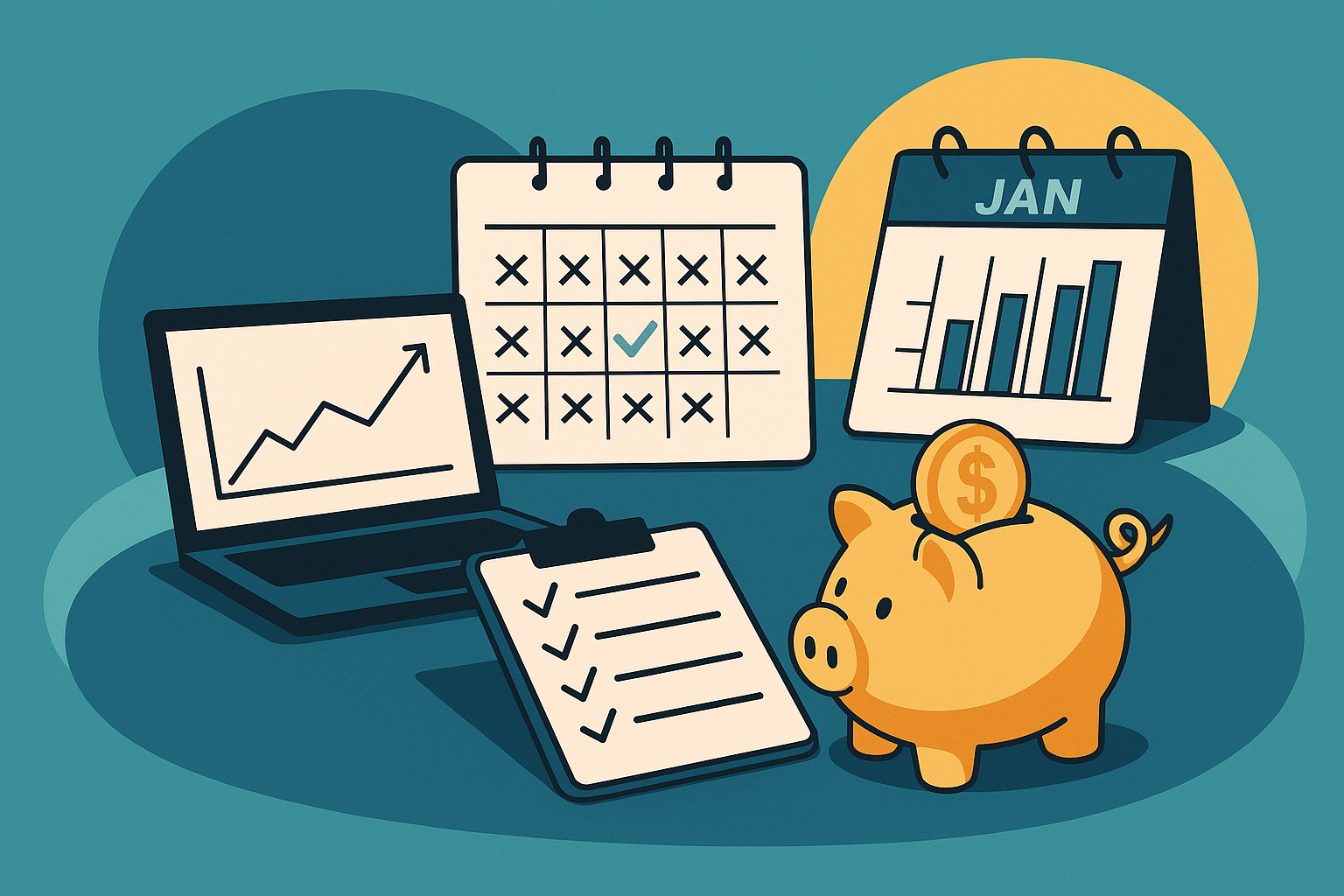
Creating your first annual financial plan is one of the most important steps you can take to gain control over your money. For many beginners, finances feel reactive rather than intentional. Income comes in, expenses go out, and whatever remains often feels unpredictable. A financial plan changes this dynamic by giving structure, clarity, and direction to your financial decisions over an entire year.
An annual financial plan is not about perfection or strict rules. It is about awareness and preparation. It helps you understand where your money is going, where you want it to go, and how to align your daily choices with long-term goals. For beginners especially, a financial plan creates confidence and reduces stress by replacing uncertainty with realistic expectations.
This guide is designed to help you create your first annual financial plan in a clear, practical, and accessible way. You do not need advanced financial knowledge or complex tools. What you need is time, honesty, and a willingness to look at your finances with intention.
What an Annual Financial Plan Really Is
An annual financial plan is a roadmap for how you expect to manage your money over a twelve-month period. It outlines your income, expenses, savings goals, and investment intentions in a structured way. Rather than reacting to financial situations as they arise, you proactively prepare for them.
Unlike short-term budgets that focus on monthly spending, an annual plan takes a broader view. It accounts for irregular expenses, seasonal changes, and long-term priorities. This perspective helps you avoid surprises and make more thoughtful decisions throughout the year.
For beginners, the value of an annual plan lies in clarity. It turns abstract goals like “saving more” or “investing someday” into concrete actions tied to time and purpose.
Why Beginners Benefit So Much From an Annual Plan
Many people delay financial planning because they believe it is only necessary once income increases or finances become more complex. In reality, beginners benefit the most from planning because it helps establish healthy habits early.
An annual financial plan provides a sense of control. Knowing what to expect financially reduces anxiety and allows you to focus on progress rather than uncertainty. It also makes it easier to identify areas where small adjustments can have a meaningful impact.
Planning also encourages accountability. When you define your intentions in advance, you are more likely to follow through. Over time, this consistency builds confidence and reinforces positive financial behavior.
Reviewing Your Current Financial Situation
Before creating a plan, you need a clear understanding of where you currently stand. This step requires honesty, not judgment. Begin by reviewing your income sources, including salary, freelance work, or any additional earnings.
Next, examine your expenses. Look at regular monthly costs such as housing, utilities, transportation, and food. Then identify irregular expenses like insurance payments, subscriptions, or annual fees. These costs often disrupt finances when they are not anticipated.
Understanding your current situation allows you to create a plan based on reality rather than assumptions. This foundation is essential for building a plan that is sustainable and effective.
Defining Clear Financial Goals for the Year
Financial goals give your plan purpose. Without them, a financial plan becomes a list of numbers rather than a meaningful strategy. Goals can vary widely depending on individual circumstances, but they should always be specific and realistic.
Short-term goals might include building an emergency fund or reducing debt. Medium-term goals could involve saving for a major purchase or increasing investment contributions. Long-term goals often focus on financial security and independence.
For beginners, it is important to limit the number of goals. Focusing on a few priorities makes the plan manageable and increases the likelihood of success. Each goal should be clearly defined and connected to a timeline.
Estimating Your Annual Income
Estimating annual income is a key component of your financial plan. Start by calculating your expected income for the year based on current earnings. If your income is variable, use conservative estimates to avoid overcommitment.
Consider potential changes such as raises, bonuses, or additional work, but do not rely on them unless they are reasonably certain. A realistic income estimate provides stability and prevents unnecessary financial pressure.
This step also helps you understand your capacity for saving and investing. Knowing how much money you expect to earn allows you to allocate funds intentionally rather than impulsively.
Planning Your Annual Expenses Thoughtfully
Expenses are often underestimated in financial planning. An effective annual plan accounts for both fixed and variable costs. Fixed expenses remain consistent, while variable expenses fluctuate based on lifestyle and circumstances.
Including irregular expenses is especially important. Costs such as medical expenses, travel, or maintenance can disrupt finances if they are not planned for. By allocating funds in advance, you reduce the likelihood of relying on debt or depleting savings.
Thoughtful expense planning does not mean restricting yourself excessively. It means understanding where your money goes and making conscious choices that align with your goals.
Building Saving Into Your Financial Plan
Saving is a cornerstone of any financial plan. An annual plan should clearly define how much you intend to save and for what purpose. This might include emergency savings, short-term goals, or long-term financial security.
For beginners, consistency matters more than the amount. Regular saving, even in small amounts, builds momentum and reinforces discipline. Over time, these contributions accumulate and provide a financial buffer. Treating savings as a non-negotiable expense helps ensure that it remains a priority throughout the year.
Including Investing in a Responsible Way
Investing is often an important component of long-term financial planning, but it should be approached responsibly. An annual financial plan should outline whether you intend to invest, how much, and with what level of risk.
For beginners, investing goals should be conservative and aligned with long-term objectives. Investing small, consistent amounts reduces risk and allows time to learn. It is important to avoid viewing investing as a way to achieve quick results.
Including investing in your plan reinforces long-term thinking and supports financial growth when combined with patience and discipline.
Preparing for Unexpected Expenses
Unexpected expenses are a reality of life. A strong financial plan acknowledges this and prepares accordingly. Emergency funds and flexible budgeting categories help absorb financial shocks without derailing your plan.
Rather than seeing unexpected costs as failures, view them as part of the financial landscape. Planning for uncertainty increases resilience and reduces stress when challenges arise. This preparation is especially valuable for beginners, who are still developing financial confidence.
Managing Debt Within Your Annual Plan
If you carry debt, your annual financial plan should address it directly. Ignoring debt does not make it disappear, but planning for it creates a path forward.
Decide how much you can realistically allocate toward debt repayment each year. Focus on consistency rather than speed. Reducing debt gradually while maintaining savings and stability is often more sustainable.
Including debt management in your plan ensures that progress is intentional and measurable.
Tracking Progress Throughout the Year
A financial plan is not static. Tracking progress allows you to stay aligned with your goals and make adjustments as needed. Regular check-ins help identify patterns and prevent small issues from becoming larger problems.
Tracking does not need to be complicated. Reviewing your finances monthly or quarterly is often sufficient. The goal is awareness, not constant monitoring. This ongoing engagement reinforces responsibility and keeps your plan relevant.
Adjusting Your Plan When Life Changes
Life rarely follows a perfect script. Changes in income, expenses, or priorities may require adjustments to your financial plan. Flexibility is a strength, not a weakness.
Revisiting your plan during major changes ensures that it continues to reflect your reality. Adjustments should be thoughtful and intentional rather than reactive. An adaptable plan is more likely to support long-term success.
Avoiding Common Beginner Planning Mistakes
One common mistake is setting unrealistic goals. Overly ambitious plans often lead to frustration and abandonment. Realistic expectations create momentum and confidence.
Another mistake is focusing only on restrictions rather than balance. A financial plan should support your life, not limit it unnecessarily. Finally, neglecting to review the plan reduces its effectiveness. Regular engagement is essential for long-term success.
Using Simple Tools to Support Your Plan
You do not need complex software to create an effective financial plan. Simple spreadsheets, budgeting apps, or written summaries can be sufficient. The best tool is the one you will actually use. Simplicity encourages consistency and reduces resistance. Choosing accessible tools helps keep the focus on decision-making rather than technology.
How an Annual Financial Plan Builds Long-Term Confidence
Creating an annual financial plan builds confidence by replacing uncertainty with clarity. It allows you to make decisions based on intention rather than emotion.
Over time, planning becomes easier and more intuitive. Each year builds on the last, reinforcing positive habits and improving financial understanding. Confidence grows through consistency, not complexity.
Connecting Your Financial Plan to Your Broader Goals
A financial plan is most effective when it aligns with your broader life goals. Money is a tool, not an end in itself. Connecting financial decisions to personal values adds meaning and motivation.
Whether your goals involve security, flexibility, or growth, your plan should support them. This alignment increases satisfaction and commitment. Seeing progress toward meaningful goals reinforces the value of planning.
Preparing for the Next Year
As the year progresses, your financial plan becomes a learning experience. Reflecting on what worked and what did not prepares you for the next cycle.
Annual planning is iterative. Each plan builds on the lessons of the previous year, leading to continuous improvement. This process transforms financial planning into a sustainable habit rather than a one-time task.
Final Thoughts on Creating Your First Annual Financial Plan
Creating your first annual financial plan is a powerful step toward financial clarity and confidence. It provides structure, encourages discipline, and supports intentional decision-making.
You do not need to get everything right from the start. A simple, realistic plan that evolves over time is far more valuable than a perfect plan that is never followed. By taking the time to plan your finances annually, you create a foundation for stability, growth, and long-term financial well-being.

Nanda Cardoso is a personal finance writer focused on financial education, money habits, and financial well-being. The content published on this site is for educational purposes only and does not constitute financial advice.