
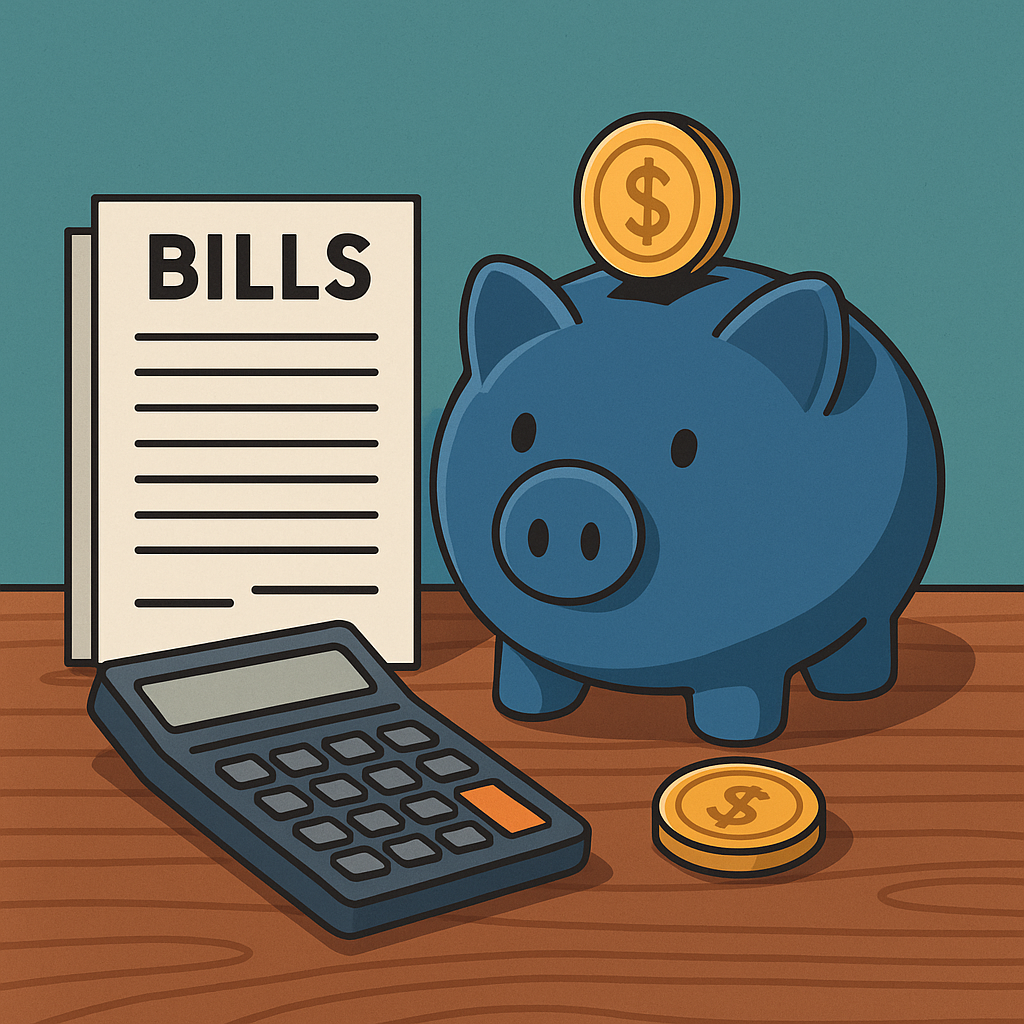
Why Saving Money Feels Impossible When Bills Dominate Your Life
For many people, saving money feels unrealistic because monthly bills consume nearly every dollar earned. Rent, utilities, transportation, food, and basic services leave little room to breathe, let alone save. This reality creates the belief that saving is only possible for those with high incomes. Over time, this belief becomes deeply ingrained and discouraging. When people assume saving is impossible, they stop trying altogether. However, the inability to save is rarely about income alone. It is often about mindset, structure, and emotional pressure. Understanding why saving feels impossible is the first step toward changing that reality.
The Emotional Pressure Created by Constant Financial Obligations
Bills represent responsibility, survival, and stability. When they arrive month after month, they carry emotional weight. This pressure can create anxiety, frustration, and even shame. Many people feel they are failing simply because they struggle to keep up. Under emotional stress, the brain focuses on immediate relief rather than long-term planning. Saving money begins to feel like deprivation instead of protection. Recognizing the emotional impact of constant obligations helps explain why logical advice often feels unhelpful. Emotional awareness creates space for more compassionate and effective financial decisions.
Redefining Saving as a Habit, Not an Amount
One of the biggest obstacles to saving is the belief that it must involve large sums of money. This belief discourages anyone who cannot set aside significant amounts. In reality, saving is a habit, not a number. It is the act of intentionally reserving money for the future, regardless of size. When saving is defined as a habit, it becomes accessible. Even small amounts reinforce discipline, awareness, and confidence. Over time, the habit matters far more than the initial value. Redefining saving removes pressure and makes progress possible even when finances are tight.
Why Bills and Saving Can Exist Together
Many people see bills as the enemy of saving. This mindset creates conflict and frustration. In reality, bills and saving are part of the same financial system. Bills bring structure and predictability to finances. When obligations are organized and understood, opportunities for saving become clearer. Chaos increases fear, while structure increases control. Viewing bills as a fixed part of your system allows you to plan around them instead of reacting emotionally. When bills are no longer the enemy, saving becomes a strategic choice rather than an impossible dream.
Understanding Cash Flow Instead of Just Expenses
Saving becomes more achievable when you understand cash flow, not just expenses. Cash flow refers to when money enters and leaves your account. Even if income is limited, timing can create opportunities. Many people fail to save because they do not understand how timing affects availability. By becoming aware of income patterns and bill due dates, you can identify small windows for saving. Cash flow awareness transforms saving from an abstract goal into a practical action. This understanding allows you to work with your financial reality instead of against it.
The Importance of Paying Yourself First, Even in Small Amounts
Paying yourself first is often misunderstood as saving large sums before paying bills. In practice, it means treating saving as a priority expense, no matter how small. When saving happens first, it becomes part of the routine rather than an afterthought. Even minimal contributions reinforce the habit. Over time, this approach shifts your identity from someone who “can’t save” to someone who saves consistently. Paying yourself first sends a powerful message that your future matters, even when money is tight.
Small Savings and Their Psychological Power
Small savings may seem financially insignificant, but their psychological impact is substantial. Each successful act of saving builds confidence and motivation. These small wins challenge the belief that saving is impossible. Confidence leads to consistency, and consistency leads to growth. The emotional benefit of saving often precedes the financial benefit. When people feel capable, they are more likely to continue improving their financial behavior. This psychological shift is critical for long-term success.
How Awareness Reveals Hidden Saving Opportunities
Even in tight budgets, hidden opportunities often exist. These opportunities are usually ignored because they appear too small to matter. However, small financial leaks accumulate over time. Awareness is the key to finding them. When you understand where your money goes, you can identify patterns that no longer serve you. These adjustments do not require sacrifice; they require attention. Awareness allows saving to emerge naturally from existing behavior rather than forcing drastic change.
Avoiding the Trap of Comparison and Unrealistic Expectations
Comparing your financial progress to others creates unnecessary pressure and discouragement. Everyone’s financial situation is shaped by different incomes, responsibilities, and life circumstances. Unrealistic expectations make saving feel like failure when it is not. Managing expectations means focusing on personal progress rather than external standards. When progress is measured against your own reality, saving becomes motivating instead of stressful. Personal finance is deeply personal, and saving should reflect your life, not someone else’s highlight reel.
Why Consistency Matters More Than Intensity
Many people attempt to save aggressively for short periods, only to give up when pressure builds. Intensity creates burnout, while consistency creates sustainability. Saving small amounts consistently builds trust in yourself and your system. Over time, consistent behavior outperforms sporadic effort. This approach aligns with real life, where income and expenses fluctuate. Consistency allows saving to continue even during difficult months, which is far more valuable than temporary perfection.
Emotional Discipline and Financial Stability
Emotional discipline plays a critical role in saving when bills are present. Stress, fear, and frustration often trigger impulsive decisions that sabotage progress. Emotional discipline allows you to pause and respond thoughtfully rather than react automatically. This skill develops over time through awareness and self-compassion. When emotions are managed, financial decisions improve. Emotional discipline protects savings during challenging periods and supports long-term stability.
Accepting That Progress Will Not Be Perfect
Saving while paying bills is rarely a smooth journey. Unexpected expenses, income changes, and emergencies will happen. Accepting that progress is not linear prevents discouragement. Setbacks do not erase progress; they are part of the process. Long-term success depends on persistence, not perfection. When people accept imperfection, they remain engaged rather than giving up. This mindset supports resilience and long-term growth.
Aligning Saving With Meaningful Goals
Saving feels more achievable when it is connected to meaningful goals. Whether the goal is security, peace of mind, family stability, or future freedom, purpose strengthens motivation. When saving aligns with values, it becomes emotionally rewarding rather than restrictive. Purpose transforms saving from sacrifice into intention. This alignment helps sustain saving habits even when finances feel tight.
Developing a Long-Term Perspective on Money
A long-term perspective reduces pressure and supports calm decision-making. When you view saving as a lifelong practice rather than a short-term fix, small actions gain importance. Time becomes an ally rather than an enemy. Long-term thinking reduces urgency and fear. It allows saving to grow naturally alongside life’s changes. This perspective supports patience and consistency.
Creating a Sustainable Saving System
Sustainability is the foundation of saving success. A system that fits your life is more effective than an aggressive plan that creates stress. Sustainable saving adapts to income changes and unexpected events. It allows flexibility without abandonment. When saving feels manageable, it becomes part of your identity. A sustainable system protects progress over time and reduces emotional strain.
Final Thoughts
Saving money while paying bills is challenging, but it is entirely possible with the right mindset and structure. Saving is not about income level; it is about intention, consistency, and awareness. Small actions create momentum, and momentum builds confidence. When saving becomes a habit rather than a struggle, financial stability grows even in difficult circumstances. With patience, emotional discipline, and self-compassion, it is possible to save money, meet obligations, and build a more secure financial future.

Nanda Cardoso is a personal finance writer focused on financial education, money habits, and financial well-being. The content published on this site is for educational purposes only and does not constitute financial advice.