
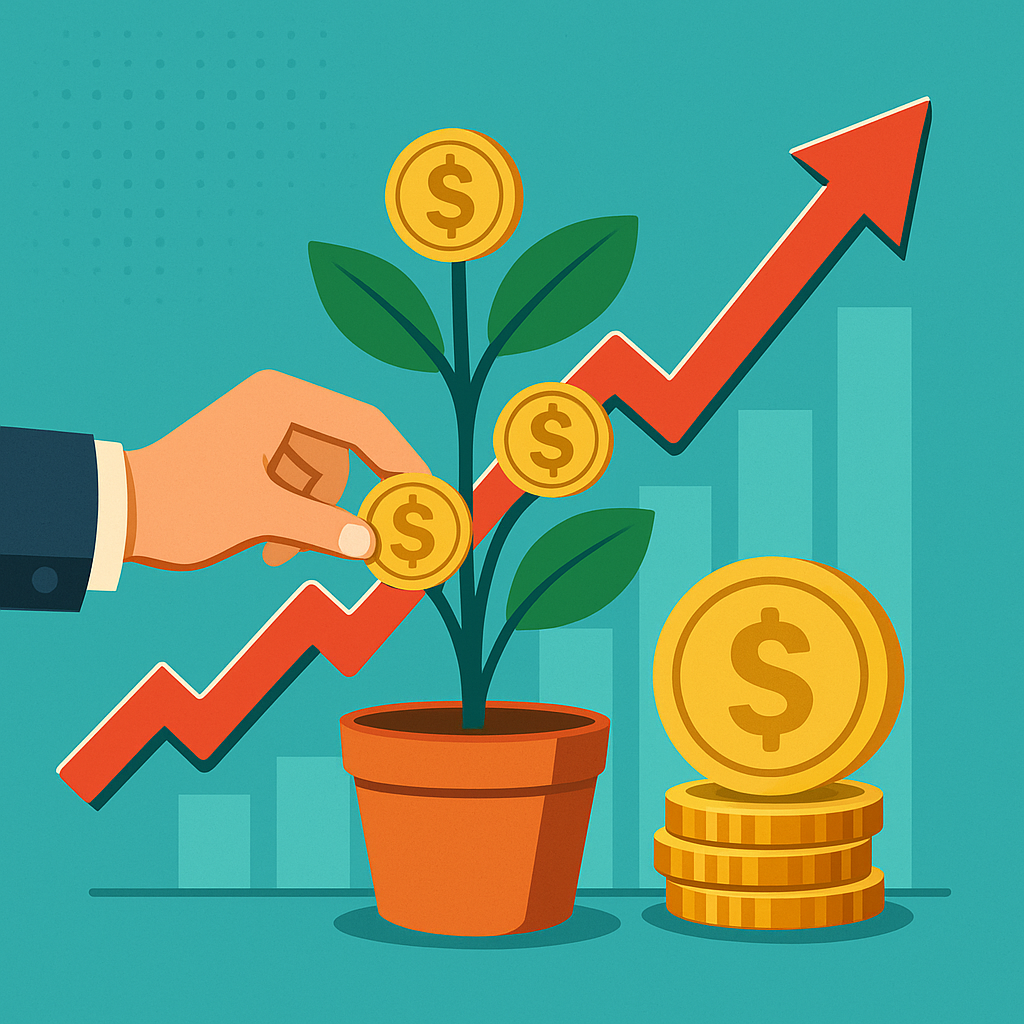
Investing is often portrayed as something that requires a large income, deep financial knowledge, or years of experience. This perception discourages many people from even trying. In reality, starting to invest with little money is not only possible but increasingly common. Thanks to modern financial tools and accessible platforms, beginners can begin building their financial future with small, consistent steps.
The real challenge is not the amount of money you start with, but overcoming hesitation and misinformation. Many people wait for a “better moment” or more savings before investing, unaware that time is one of the most valuable assets in investing. Starting early, even with small amounts, allows you to develop habits, gain experience, and benefit from long-term growth.
This guide is designed for beginners who want a clear, practical, and realistic approach to investing with little money. There are no shortcuts or promises of quick wealth here. Instead, you will learn how to start investing responsibly and confidently, beginning today.
Why You Don’t Need a Lot of Money to Start Investing
One of the biggest myths about investing is that it requires a large initial capital. This belief often keeps people stuck in a cycle of waiting, missing opportunities to grow their money over time. In reality, investing small amounts consistently can be far more effective than waiting years to invest a larger sum.
Starting with little money lowers the emotional pressure that often leads to poor decisions. When the stakes are smaller, beginners are less likely to panic during market fluctuations and more likely to stay focused on learning and long-term goals. This environment is ideal for developing discipline and confidence.
Small investments also allow you to understand how markets work without risking your financial stability. Over time, these early experiences become the foundation for smarter, more informed decisions as your investments grow.
Understanding Your Financial Situation Before Investing
Before you invest even a small amount, it is important to have a basic understanding of your financial situation. This does not require advanced budgeting tools, but it does require awareness. You should know your monthly income, essential expenses, and whether you have high-interest debt.
Investing should not replace essential financial priorities. If you are struggling with credit card debt or living paycheck to paycheck, addressing those issues should come first. Once you reach a point of stability, investing even a modest amount becomes sustainable.
Being honest about your finances also helps set realistic expectations. Investing with little money is about gradual progress, not instant results. When your expectations align with reality, you are more likely to stay consistent.
Setting Simple and Realistic Investment Goals
Clear goals give your investments direction. Without them, it is easy to lose motivation or make impulsive decisions. Your goal does not need to be complex. It might be saving for the future, building long-term wealth, or simply learning how investing works.
Short-term goals typically require safer investments, while long-term goals allow for more exposure to growth-oriented assets. Understanding this difference helps you choose investments that match your timeline and comfort level.
When investing small amounts, clarity is essential. Each contribution matters, and knowing why you are investing makes it easier to stay committed during periods of uncertainty.
Choosing Beginner-Friendly Investment Options
When starting with limited funds, simplicity is key. Complex strategies and high-risk products often do more harm than good for beginners. Fortunately, there are investment options designed specifically for accessibility and diversification.
Low-cost index funds are one of the most reliable choices for beginners. They provide exposure to a broad range of companies, reducing the risk associated with individual stocks. Because they are passively managed, they usually come with lower fees, which is especially important when investing small amounts.
Exchange-traded funds (ETFs) offer similar benefits and are widely available on modern investment platforms. Many ETFs allow fractional investing, making them accessible even if you cannot afford a full share.
For extremely cautious beginners, high-yield savings accounts or money market funds can serve as an entry point. While these options offer limited growth, they provide stability and help build confidence before transitioning to higher-growth investments.
How Fractional Investing Makes Investing Accessible
Fractional investing has changed the way people invest. Instead of needing enough money to buy an entire share, you can now invest small amounts and own fractions of assets. This innovation has removed a major barrier for beginners.
With fractional investing, diversification becomes possible even with limited funds. Rather than investing all your money into one asset, you can spread it across multiple funds or companies, reducing risk.
This approach also supports consistent investing. You can contribute the same amount regularly without worrying about fluctuating prices, making the process predictable and manageable.
Understanding Risk Without Fear or Panic
Risk is a natural part of investing, but it is often misunderstood. Many beginners associate risk solely with loss, which leads to fear and avoidance. In reality, risk also represents opportunity. The goal is not to avoid risk entirely, but to manage it wisely.
When investing with little money, diversification and long-term thinking are your best tools. Spreading investments across different assets reduces the impact of market volatility. Holding investments over time allows temporary downturns to recover.
Emotional discipline is crucial. Market fluctuations are normal, and reacting impulsively often causes more harm than good. Starting small helps you experience these fluctuations without overwhelming stress.
Building a Consistent Investing Habit
Consistency matters more than timing. Many people delay investing because they want to wait for the perfect moment. In reality, regular investing over time often outperforms attempts to predict market movements.
Automating your investments is one of the most effective ways to stay consistent. By setting up automatic contributions, you remove emotion and decision fatigue from the process. Even small monthly investments can accumulate significantly over time.
This habit also encourages long-term thinking. Investing becomes a routine part of your financial life rather than a stressful decision.
Common Mistakes Beginners Should Avoid
One common mistake is chasing quick returns. High-risk assets and speculative trends can be tempting, but they often lead to losses that discourage future investing. A steady, disciplined approach is more sustainable.
Another mistake is overcomplicating the process. Investing does not require constant monitoring or frequent trading. Excessive activity can increase fees and emotional stress without improving results.
Finally, neglecting education can limit progress. Understanding basic concepts like diversification, compounding, and fees makes a significant difference in long-term outcomes.
Why Fees Matter When Investing Small Amounts
Fees can significantly impact returns, especially when investing small amounts. High management fees or transaction costs can reduce growth over time, making it harder to reach your goals.
Choosing low-cost investment options ensures that more of your money remains invested. Transparency in fees is essential, and beginners should take time to understand what they are paying for.
Being mindful of costs encourages smarter decisions and reinforces long-term discipline.
Gaining Confidence Through Experience
Confidence comes from experience, not perfection. Starting with little money allows you to learn through action without significant financial risk. Each decision provides insight into how investments behave.
Over time, you will understand your risk tolerance and refine your strategy. This gradual process builds confidence and prepares you for larger investments in the future.
As confidence grows, increasing your contributions becomes a natural next step.
The Power of Long-Term Investing and Compounding
Compounding is one of the most powerful forces in investing. Even small investments can grow substantially over time when returns are reinvested consistently.
Patience is essential. Short-term results may seem modest, but long-term growth can be significant. Starting early, even with little money, maximizes the benefits of compounding.
Focusing on the long term aligns your mindset with sustainable financial growth rather than short-term speculation.
How to Take Your First Step Today
Starting does not require perfection. Opening an account, choosing a simple investment, and committing a small amount is enough. You can refine your approach over time.
Investing is a journey, not a single decision. What matters most is taking action and staying consistent. Small steps taken today can lead to meaningful results in the future.
Final Thoughts on Investing With Little Money
Investing with little money is not a disadvantage. It is an opportunity to learn, grow, and build habits that support long-term success. Modern tools have made investing more accessible than ever before.
By understanding your finances, setting clear goals, choosing simple investments, and committing to consistency, you can begin investing today. The most important factor is not how much you invest, but that you start. Starting small is still starting, and starting today is always better than waiting.

Nanda Cardoso is a personal finance writer focused on financial education, money habits, and financial well-being. The content published on this site is for educational purposes only and does not constitute financial advice.