
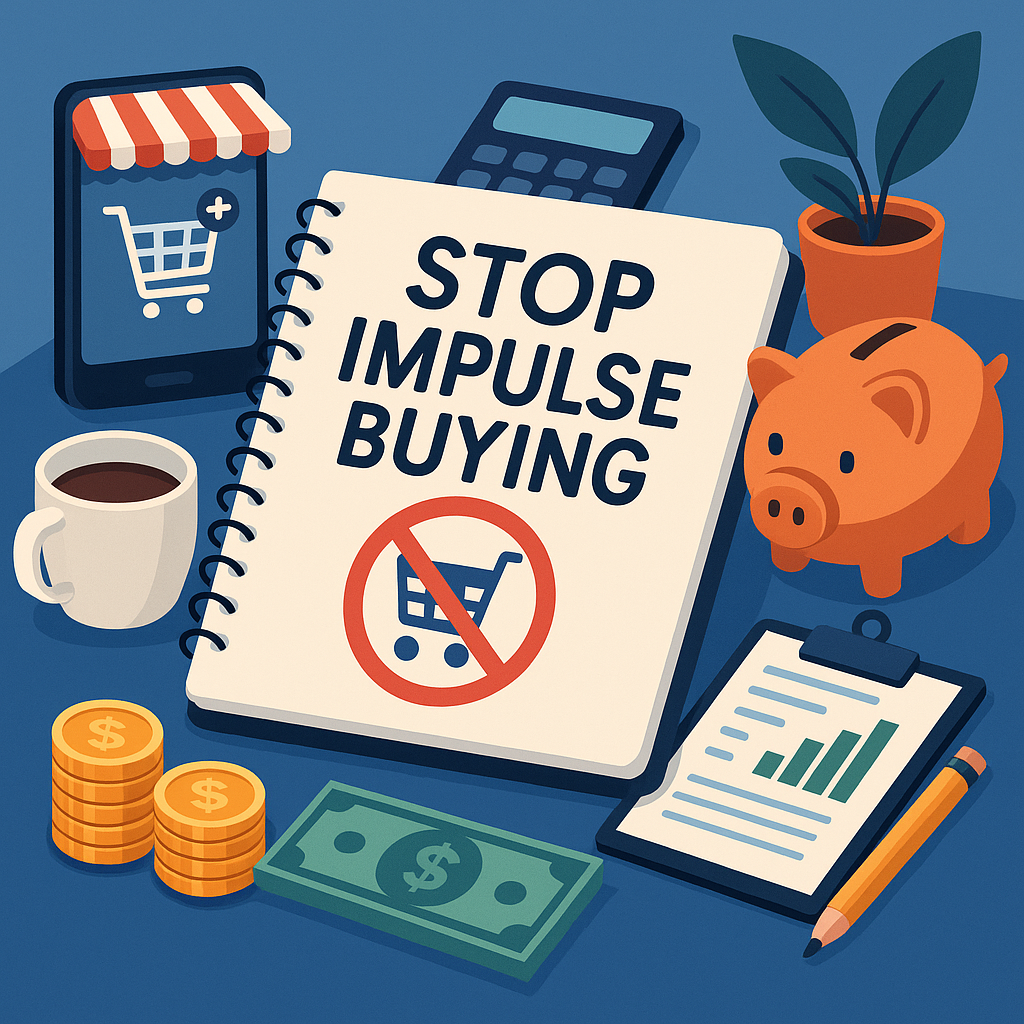
Understanding Why Impulse Spending Happens
Impulse spending is one of the most common barriers to financial progress, and yet many people have difficulty understanding why it occurs. The truth is that impulse purchases rarely stem from a lack of knowledge. Most people know they should spend less and save more, but they struggle because impulse spending is driven by emotions, habits, and psychological triggers rather than logic. Stress, boredom, loneliness, excitement, and social pressure all play major roles in sudden, unplanned purchases. Modern life also makes impulse spending easier than ever. With online shopping available at every moment and targeted advertising designed to influence emotions, resisting the urge to buy becomes a real challenge. Understanding the emotional and psychological factors behind impulse spending is the first step toward changing your behavior. When you recognize that impulsive purchases do not reflect a lack of discipline but a natural reaction to emotional triggers, you can begin approaching the issue with awareness and strategy rather than guilt.
How Impulse Spending Affects Your Financial Life
Impulse spending creates invisible damage because it happens in small increments. A few small purchases here and there may not seem harmful, but over time, they accumulate and eat away at your ability to save or make progress toward your goals. These purchases often lead to a sense of regret, guilt, or confusion because they do not align with your deeper priorities. The emotional weight that follows can also create a cycle of stress that pushes you into more spending, forming a loop that makes financial progress difficult. Impulse spending reduces your capacity to build an emergency fund and interrupts long-term stability. It also creates financial clutter by filling your life with items that may not add lasting value. When impulsive habits continue unchecked, they reinforce patterns that lead to financial strain. Breaking this cycle requires understanding how these small decisions shape your overall financial picture.
Becoming Aware of Your Spending Patterns
Awareness is the foundation for stopping impulse spending. Without awareness, spending remains automatic, driven by habits and emotions rather than intention. When you begin observing your behavior, you start noticing the times, situations, and emotions that trigger unnecessary purchases. This awareness gives you insight into the patterns guiding your financial choices. Many people discover that they spend impulsively when they are tired, stressed, or emotionally overwhelmed. Others notice that boredom or the desire for a quick emotional boost leads to spontaneous shopping. Some people realize that social media exposure creates feelings of comparison, prompting them to spend money to feel more aligned with what others appear to have. Whatever the pattern, awareness is essential because it transforms unconscious behavior into conscious decision-making. Once you know your triggers, you can create strategies that reduce their influence on your financial life.
Understanding the Emotional Drivers Behind Purchases
Impulse spending is deeply connected to emotions. Retail therapy is a real phenomenon because spending temporarily soothes emotional discomfort. When you feel stressed, a purchase can create a momentary sense of relief or pleasure. When you feel lonely, a purchase may provide comfort. When you feel bored, shopping gives you something to do. These emotional triggers are powerful, and until you identify them, they will continue influencing your behavior. The key to overcoming emotional spending is recognizing that the feeling you are seeking cannot be fulfilled by a purchase. The satisfaction is temporary, and once it fades, the underlying emotion remains. Developing healthier emotional coping strategies is essential, because it reduces your dependence on spending as a form of relief. When you begin managing your emotions more constructively, impulse spending naturally decreases.
Creating a Pause to Interrupt Automatic Behavior
One of the simplest yet most effective ways to stop impulse spending is creating a pause between the urge to spend and the action itself. This pause interrupts the automatic nature of impulse purchases. It gives you time to reflect and evaluate whether the purchase aligns with your goals. Many impulse purchases lose their power when you introduce even a small delay. By giving yourself space to think, you shift from reacting to choosing. Over time, the habit of pausing becomes natural, and impulsive decisions happen less frequently. The pause helps you separate your emotional state from your financial choices and prevents temporary feelings from dictating long-term consequences. This simple habit builds discipline gradually without forcing dramatic or uncomfortable restrictions.
Reconnecting With Your Financial Goals
Impulse spending becomes easier to resist when your financial goals feel meaningful and present. When you lose connection with your goals, short-term desires gain strength. Reconnecting with your goals brings long-term rewards back into focus. Saving for an emergency fund, paying off debt, building financial independence, or preparing for future experiences becomes a source of motivation that makes it easier to resist impulses. Your goals act as a compass, guiding your decisions and reminding you of the future you are working toward. When you keep your goals visible—whether mentally or physically—they become more emotionally compelling than the temporary excitement of a purchase. This shift in mindset strengthens your self-control and reduces the appeal of impulsive spending.
Strengthening Your Spending Boundaries
Boundaries are essential for stopping impulse spending. Clear boundaries protect your financial intentions from emotional triggers. When you establish boundaries, you create rules that guide your behavior even when motivation is low. Boundaries might involve dedicated times for reviewing your finances, designated spending amounts for non-essentials, or specific moments when you allow yourself to make discretionary purchases. Strong boundaries help you navigate social situations where spending pressure is high and reduce your vulnerability to advertising or marketing tactics. Boundaries also help you maintain self-respect because they reflect your commitment to your long-term goals. The key is consistency. Boundaries become stronger the more you practice them, and over time, they evolve into habits that support a healthier financial life.
Creating Structure Through Simple Financial Systems
Systems provide structure that prevents impulse spending by reducing the number of decisions you must make daily. When your finances are organized, and your savings and bills are automated, you spend less time managing money emotionally and more time following a stable set of routines. A simple financial system might involve scheduling a weekly financial review, separating your money into different accounts, or automating transfers to ensure consistent progress. Systems turn your financial goals into default actions rather than optional choices. This reduces decision fatigue and protects your budget from emotional impulses. A strong system works in the background, supporting your discipline without requiring constant effort. When your financial structure is strong, impulsive spending becomes less tempting because your money already has a purpose.
Replacing Impulse Spending With Meaningful Alternatives
One of the most effective strategies for breaking impulsive habits is replacing them with healthier alternatives. Impulse spending often fills an emotional or psychological need. When you replace it with a more meaningful habit, you address the underlying cause rather than the symptom. For example, if boredom triggers spending, replacing that behavior with a low-cost activity gives you the stimulation you need without financial consequences. If stress triggers impulsive purchases, developing relaxation routines helps you manage anxiety without turning to shopping. These replacements are not punishments; they are conscious choices that support both emotional well-being and financial stability. As these new habits strengthen, the desire to spend impulsively naturally decreases.
Creating Distance Between Yourself and Temptations
Distance is a powerful tool in reducing impulse spending. When triggers and temptations are readily available, resisting becomes more difficult. Creating distance involves reducing exposure to situations that encourage impulsive behavior. This may mean unsubscribing from marketing emails, removing shopping apps from your phone, avoiding unnecessary browsing, or limiting time spent on social media platforms that encourage comparison. Creating this buffer gives you the mental space to make decisions based on intention rather than emotion. The less frequently you encounter triggers, the less powerful they become. Over time, the urge to shop impulsively weakens, and your financial discipline grows stronger.
Becoming Comfortable With Waiting
Patience is a skill that strengthens your ability to stop impulse spending. Modern society promotes instant gratification, creating the expectation that desires should be fulfilled immediately. Becoming comfortable with waiting shifts this expectation. When you learn to sit with a desire rather than acting on it, you strengthen your emotional resilience. Waiting allows you to evaluate whether the purchase truly matters or whether it is a response to temporary feelings. Most impulsive desires fade with time, and waiting reveals their lack of real importance. When you embrace patience, you gain control over your actions instead of allowing impulses to control you. This habit transforms your relationship with money by making your decisions more thoughtful and intentional.
Reflecting on Past Purchases to Strengthen Future Decisions
Reflecting on past purchases is a powerful tool for reducing impulse spending. When you take time to evaluate which purchases brought lasting value and which ones led to regret, you gain insight into your financial tendencies. This reflection does not involve judgment or shame; it is simply an opportunity to learn about your patterns. When you recognize which purchases genuinely improved your life, you strengthen your understanding of what is worth spending money on. When you acknowledge which purchases were impulsive or unnecessary, you become more aware of the triggers that influenced them. This reflection builds better judgment and makes future decisions easier and more consistent with your goals.
Understanding That Progress Is Gradual
Stopping impulse spending is not an overnight transformation. It is a gradual journey that involves learning about yourself, practicing new habits, and developing emotional resilience. Many people become discouraged when they continue to make occasional impulsive purchases, but progress does not require perfection. Each moment of awareness, each intentional decision, and each avoided impulse adds to your long-term success. The goal is not to eliminate impulsive behavior completely but to reduce its frequency and intensity so that it no longer controls your financial life. When you recognize that progress is a process, you remain committed and motivated even when setbacks occur.
Creating a Financial Life Built on Intention
Intention is the opposite of impulse. When your financial life is guided by intention, you make decisions based on your long-term vision rather than temporary desires. This intentional approach transforms your relationship with money. You begin choosing purchases that align with your values, habits that support your goals, and routines that strengthen your discipline. Intention provides meaning and purpose to your financial journey. When your decisions reflect who you want to become, impulse spending loses its appeal.
Final Thoughts
Impulse spending is a common challenge, but it does not have to control your financial life. By understanding your triggers, building awareness, creating supportive systems, and strengthening your emotional resilience, you can reduce impulsive behavior and redirect your money toward meaningful goals. Saving more becomes natural when your habits and mindset shift toward intention rather than impulse. As you grow in awareness and discipline, you create a financial future shaped by thoughtful choices and long-term stability. Stopping impulse spending is not about restriction; it is about empowerment. With time, patience, and consistency, you gain control over your money and build a financial life aligned with your values and dreams.

Nanda Cardoso is a personal finance writer focused on financial education, money habits, and financial well-being. The content published on this site is for educational purposes only and does not constitute financial advice.