
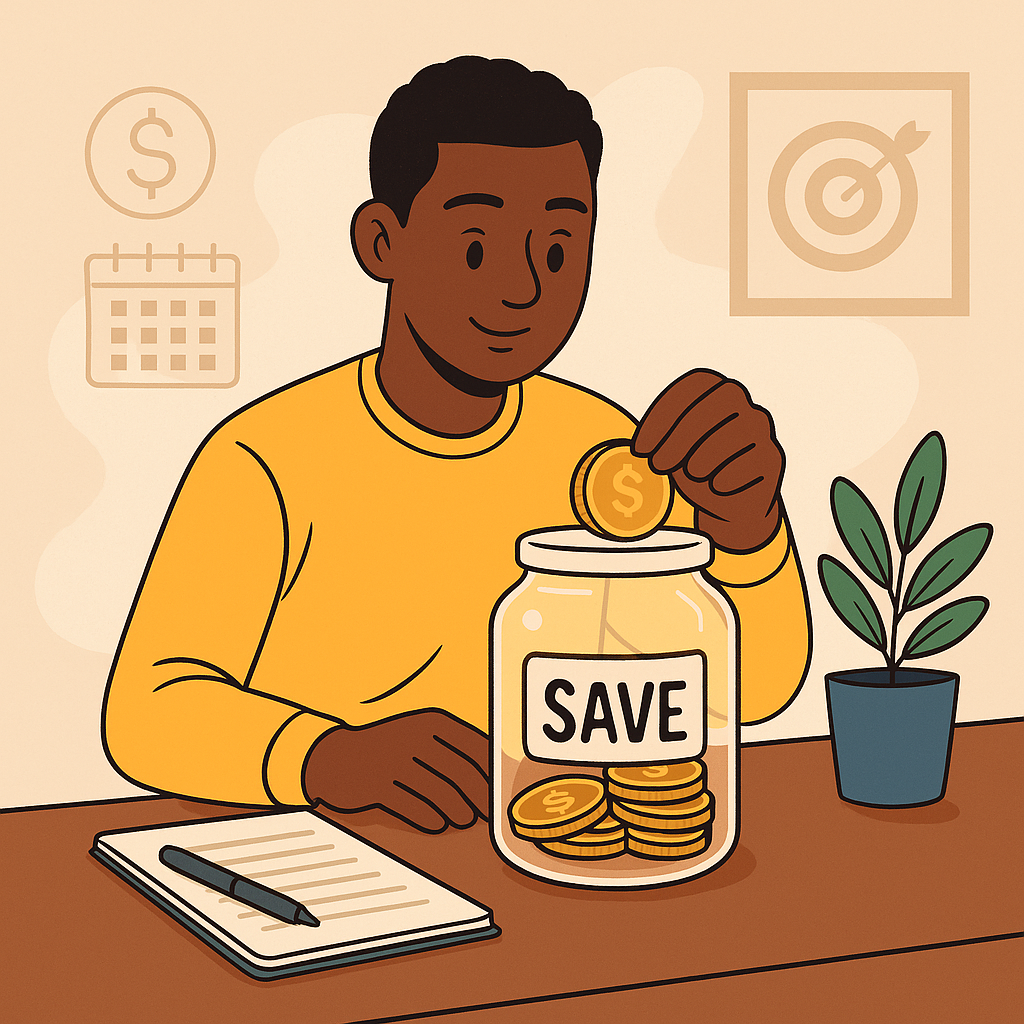
Why Saving Money Must Become a Habit Instead of a Moment
Saving money is often seen as something people do only when they feel motivated, inspired, or pressured by circumstances. Many beginners try to save money in intense bursts, setting aside large amounts for a short period until their enthusiasm fades or an unexpected expense arises. When that happens, the savings plan collapses, creating frustration and the belief that saving is too difficult. The truth is that saving money is not about intensity; it is about consistency. A habit, unlike a moment of motivation, survives stress, frustration, and busy periods. When saving becomes a habit, it integrates seamlessly into your daily or weekly routine, requiring little effort or emotional energy. This transformation is the key to long-term financial success. A habit does not rely on willpower. It grows through repetition, structure, and intention. Understanding this difference allows beginners to approach saving realistically rather than with unrealistic expectations.
Understanding Your Relationship With Money Before You Start
Before building a habit of saving, it is essential to understand your current relationship with money. This relationship shapes every financial choice you make, even without your awareness. Many people struggle with saving not because they lack discipline, but because their beliefs about money create emotional reactions that influence their behavior. Some people associate money with fear and scarcity, making them anxious about saving. Others associate money with pleasure and reward, making it difficult to resist spending. Some believe saving is only possible with a high income, while others think saving requires deprivation. These beliefs influence your habits more than any financial plan. Understanding your emotional triggers, cultural messages, and childhood experiences around money helps you create saving habits that work with your natural tendencies instead of against them. Reflecting on these patterns gives you clarity, making the habit-building process far more effective.
Creating an Emotional Reason to Save
Saving money becomes easier when you understand why you are doing it. A logical reason is helpful, but an emotional reason is powerful. When you connect your savings habit to something deeply meaningful—such as stability, protection, freedom, independence, or a dream you want to achieve—the habit becomes more sustainable. People rarely stay committed to a financial habit based solely on logic. Emotional reasons fuel motivation during difficult moments. They help you resist temptations and stay focused when progress feels slow. Whether your goal is to build an emergency fund, reduce stress, create opportunities for the future, or prepare for major life changes, establishing an emotional connection gives your savings habit strength and purpose. Once this emotional foundation is in place, the steps you take to save money become clearer and easier to maintain.
Beginning With a Clear and Realistic Starting Point
One of the most common mistakes beginners make is trying to save too aggressively at the start. They commit to saving amounts that do not fit their income, lifestyle, or financial responsibilities. This leads to frustration and makes the habit difficult to maintain. Building a habit requires starting at a level that feels comfortable and sustainable. Small contributions may appear insignificant, but they carry tremendous long-term power when practiced consistently. Choosing an amount that does not cause strain allows you to repeat the habit without stress. A realistic starting point creates confidence instead of anxiety. As the habit strengthens, the amount saved can increase naturally. The goal is not rapid accumulation but gradual transformation. A saving habit is built through repetition, and repetition is only possible when the effort feels manageable.
Creating Structure Through a Simple Savings Routine
A habit needs structure to grow. Without structure, it becomes inconsistent, irregular, and vulnerable to emotional fluctuations. Creating a simple savings routine is one of the most effective strategies for transforming saving from a wish into a behavior. This routine might involve saving at the same time each week or each time you receive income. The consistency of the routine signals to your brain that saving is a normal part of life, not an optional activity. The simpler the routine, the more powerful it becomes. Complex routines often collapse under stress, but simple routines endure. As the routine becomes familiar, the habit strengthens, and saving begins to feel natural rather than forced.
Automating Your Savings to Reduce Mental Effort
Automation is one of the most effective tools for turning saving into a habit because it eliminates the need for repeated decision-making. When you automate your savings—whether weekly, biweekly, or monthly—the process happens without requiring willpower. You no longer face the internal debate about whether you can save or whether you should spend. Automation creates a system in which saving becomes the default. This reduces emotional pressure and protects your goals during stressful periods when discipline is harder to maintain. Automatic saving also ensures consistency, which is essential for forming habits. When saving becomes automatic, your financial life gains structure, your stress decreases, and your long-term goals become easier to reach.
Removing Friction That Prevents Saving
Every habit has forms of friction that make it harder to repeat. For savings, friction may appear as inconvenient processes, emotional barriers, or confusion about where to begin. Removing this friction makes saving more accessible and increases the likelihood of maintaining the habit. This might involve organizing your banking accounts so savings are separated from spending, ensuring your saving method is simple, or eliminating triggers that lead to unnecessary purchases. The easier the saving process becomes, the more consistently you will repeat it. Habit formation thrives on simplicity. When friction is removed, saving becomes a natural part of your financial routine rather than a challenge you must overcome repeatedly.
Creating Momentum Through Small Wins
Small wins create momentum, and momentum is essential for building a habit. Many people give up on saving because progress feels too slow or insignificant. But saving is a long-term journey, not an overnight transformation. Each time you save—even a small amount—you strengthen the habit. You also create evidence that you are capable of managing your money intentionally. These wins build emotional confidence, which is just as important as financial growth. Celebrating small progress reinforces your commitment. It shifts your mindset from scarcity to capability. Small wins accumulate over time, eventually transforming your financial life in ways that feel both powerful and permanent.
Building an Emergency Buffer to Stabilize Your Financial Life
One of the most important outcomes of building a savings habit is the ability to create an emergency buffer. This buffer provides security and protects you from going into debt when unexpected expenses arise. Without an emergency fund, even minor financial disruptions can create significant stress and force you to rely on credit. But with a buffer in place, your financial life becomes more stable, and saving feels more purposeful. Building this buffer takes time, but the habit of saving ensures steady progress toward it. As your emergency fund grows, so does your confidence. It becomes easier to make thoughtful financial decisions because you no longer feel vulnerable to life’s uncertainties.
Strengthening Discipline Through Mindful Spending
Mindful spending is a powerful companion to the habit of saving. As you become more aware of your spending habits, you naturally begin redirecting more money toward saving. Mindful spending means pausing before purchasing, evaluating the purpose of the expense, and understanding whether it supports your goals or merely satisfies a temporary emotion. This practice does not require restriction or deprivation. It simply promotes intentionality. When spending becomes mindful, saving becomes easier because your money flows toward your goals rather than impulsive desires. Mindful spending supports your savings habit by reducing financial leakage and strengthening your overall control.
Connecting Saving With Your Vision of the Future
Saving becomes more meaningful and motivating when you connect it to a vision of the future. This vision might include freedom from financial stress, the ability to travel, the desire to buy a home, or the dream of becoming financially independent. Whatever the vision, it becomes a source of emotional energy that fuels your habit. A clear vision helps you understand that saving is not a sacrifice but an investment in a future that aligns with your values. When you anchor your savings habit to your long-term aspirations, it becomes easier to maintain consistency and overcome temporary challenges. The habit grows stronger when it is tied to a purpose that inspires you.
Learning to Accept That Progress Takes Time
Many beginners abandon their saving plans because they expect rapid results. When progress appears slow, they feel discouraged, believing that their efforts are not enough. But saving is a gradual process. The habit is far more important than the speed at which money accumulates. Accepting that progress takes time reduces frustration and builds patience. Consistency, not speed, determines success. With each repeated step, your savings grow, your discipline strengthens, and your financial resilience increases. Recognizing this allows you to focus on the long-term benefits rather than short-term limitations. Patience transforms saving from a burden into a natural part of your financial identity.
Making Saving Part of Your Identity
The strongest habits are those that align with your identity. When you begin viewing yourself as someone who saves money intentionally, every decision you make supports that identity. Saving no longer feels optional or difficult. It becomes part of who you are. Identity-based habits are powerful because they shape behavior naturally. Instead of struggling to save, you simply behave in a way that reflects your identity. Each time you follow through with your saving habit, you reinforce that identity even further. Over time, saving becomes effortless because it fits the person you have become rather than the person you are trying to be.
Creating Routines That Reinforce Your Habit
Routines strengthen habits by providing structure and predictability. When your savings habit is tied to a specific routine—such as saving each payday, reviewing your finances weekly, or adjusting contributions monthly—your financial life becomes more organized. Routines reduce the mental effort required to maintain the habit. They also help anchor the habit to consistent triggers, making the behavior automatic. A well-established routine protects your savings habit during stressful or unstable periods. When life becomes chaotic, your routine ensures that your financial plan remains steady. Over time, this consistency transforms your financial landscape.
Understanding That Habits Are Built Through Repetition
Repetition is the essence of habit-building. The more frequently you save, the more instinctive the behavior becomes. Each repeated action strengthens the neural pathways in your brain that support the habit. Repetition also reduces resistance and increases comfort. Eventually, saving feels natural rather than challenging. This process takes time, patience, and consistency, but the reward is long-lasting transformation. When saving becomes a repeated behavior connected to positive emotions and a clear sense of purpose, it becomes nearly unbreakable.
Final Thoughts
Building the habit of saving money is not about dramatic changes or unrealistic expectations. It is about understanding yourself, creating intentional structures, and repeating small actions consistently. A saving habit grows through clarity, emotional connection, discipline, and patience. It provides stability, reduces financial stress, and strengthens your ability to navigate life’s uncertainties. Saving becomes a gift you give to your future self, a tool that empowers you to build a life aligned with your dreams, values, and aspirations. With time and repetition, saving becomes a natural and effortless part of your daily life. Anyone—regardless of income, experience, or background—can build this habit and transform their financial future.

Nanda Cardoso is a personal finance writer focused on financial education, money habits, and financial well-being. The content published on this site is for educational purposes only and does not constitute financial advice.