
Why Understanding These Three Concepts Changes Everything
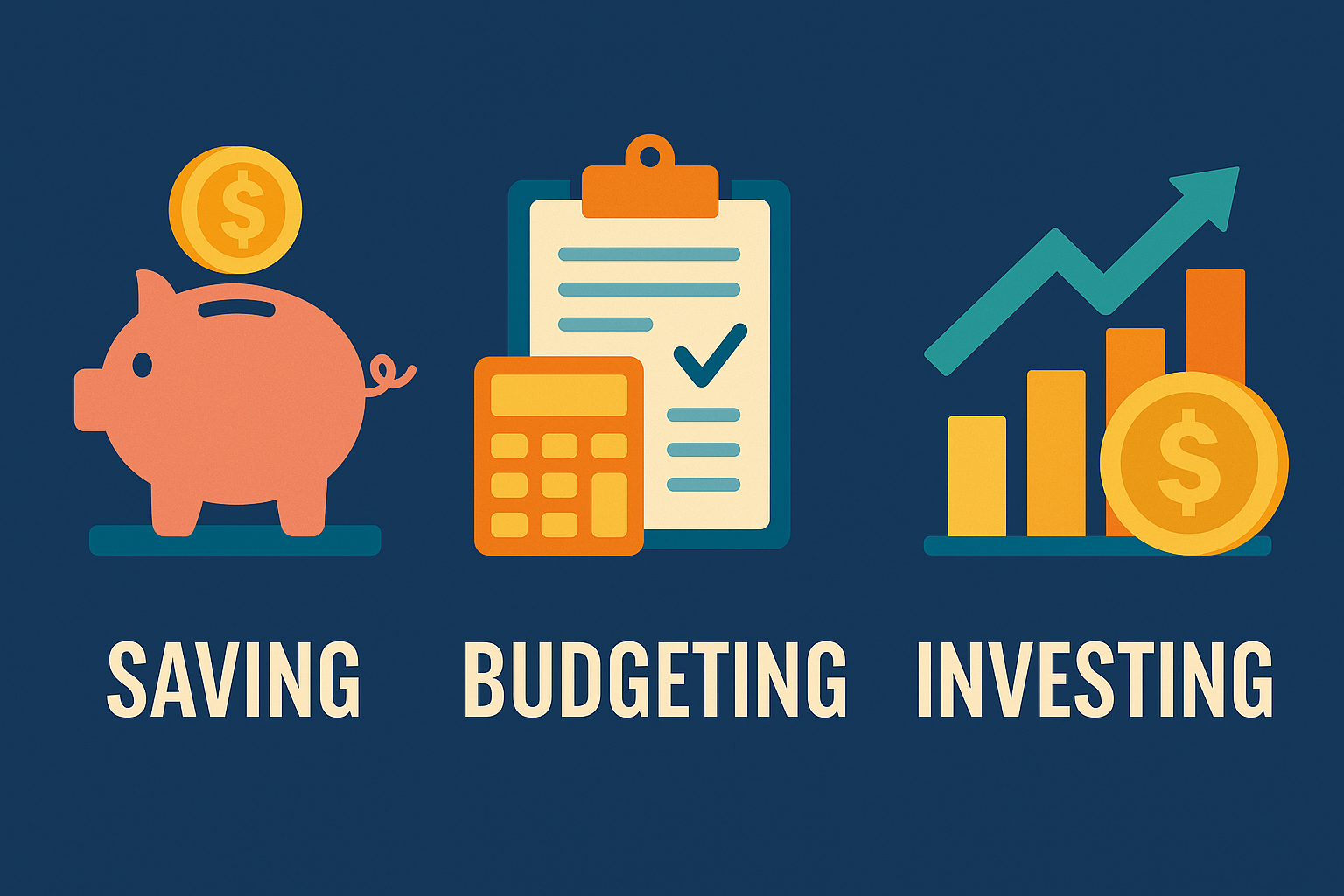
Many people move through life believing saving, budgeting, and investing are simply different words used to describe managing money. Because they sound similar, people assume they serve the same purpose. In reality, these three concepts are completely different, and each plays a unique role in shaping financial stability. When you misunderstand them, your financial decisions become inconsistent or ineffective. But when you deeply understand the distinction between saving, budgeting, and investing, you gain clarity that transforms your entire financial life. These concepts act as three pillars: budgeting organizes your money, saving protects your money, and investing grows your money. When all three work together, they create balance, stability, and long-term wealth. Understanding this dynamic gives you control, direction, and confidence as you make financial decisions for your future.
Why Budgeting Is the Foundation of Financial Organization
Budgeting is the process of telling your money where to go instead of wondering where it went. It creates structure and clarity by helping you understand how much you earn, how much you spend, and how much you can allocate to your goals. Budgeting does not restrict your life; it organizes it. Many people associate budgeting with limitation because they think it takes away their freedom, but the reality is the opposite. Budgeting increases freedom because it removes uncertainty. When you know exactly how your money flows, financial stress decreases, and decision-making becomes easier. Budgeting helps you understand your needs, identify harmful habits, create healthy routines, and align your lifestyle with your long-term goals. Without budgeting, money feels chaotic. With budgeting, money becomes predictable and manageable.
How Budgeting Creates Emotional Stability
Money is deeply emotional, and a lack of financial organization often creates anxiety. When you do not budget, you operate with a constant fear of unexpected expenses or uncertainty about whether you are spending too much. Budgeting brings emotional relief because it creates clarity. It helps you feel secure, grounded, and prepared. Seeing your numbers clearly gives you a sense of control that transforms the way you experience your daily life. You no longer act on fear or impulse—you act intentionally. Budgeting becomes a form of emotional support, helping you navigate financial decisions with confidence and reducing the friction that money often creates within relationships and personal habits.
Why Saving Is the Protection Layer in Your Financial Life
Saving plays a completely different role from budgeting. While budgeting organizes your money, saving protects it. Saving is the process of setting aside money for future use, emergencies, and stability. It acts as a financial shield that protects you from uncertainties. Life is unpredictable, and without savings, even small unexpected expenses can create stress or debt. Saving builds a cushion that gives you confidence. It softens the emotional impact of unexpected challenges and prevents financial setbacks from becoming crises. Saving also supports your dreams and goals, giving you the ability to pursue opportunities when they arise. Whether you want to travel, move, study, change careers, or support your family, savings give you the power to act. It is the foundation of financial independence and emotional peace.
Why Saving Is Often Misunderstood
Many people confuse saving with budgeting because both involve managing money. However, budgeting is the plan and saving is the outcome. You cannot save effectively without a budget, and a budget without saving is incomplete. Saving also requires emotional discipline, which is why it often becomes difficult. People think saving means depriving themselves, but saving is actually an act of self-care. It means caring about your future enough to protect it. When saving becomes a habit, it creates a sense of pride and security. It allows you to breathe deeply, knowing you have prepared for life’s uncertainties. Understanding this makes the process feel meaningful instead of restrictive.
Why Investing Is the Engine of Wealth Growth
Investing serves a purpose entirely different from budgeting and saving. While budgeting organizes your finances and saving protects them, investing grows them. Investing is the process of putting your money into assets—such as stocks, bonds, or funds—that have the potential to increase in value over time. Investing allows your money to work for you rather than requiring you to constantly work for your money. This growth occurs through appreciation, dividends, and compound interest, which magnifies your wealth over years or decades. Investing is crucial for long-term goals such as retirement, financial independence, homeownership, or creating passive income. Saving alone cannot produce significant wealth because savings grow slowly. Investing accelerates growth and builds long-term stability.
Understanding the Emotional Barriers to Investing
Fear is one of the biggest obstacles that prevents people from investing. Many worry about risks, losses, or feeling uneducated. While investing does involve risk, avoiding it completely often leads to missed opportunities. The emotional discomfort people feel toward investing usually stems from unfamiliarity. The more you learn, the less intimidating investing becomes. Investing is not gambling—it is a strategic, long-term process based on patience and discipline. Understanding that investing grows gradually helps reduce anxiety. When you see investing as a long-term partnership rather than a short-term gamble, you gain confidence and clarity. Knowledge reduces fear, and action builds confidence.
The Relationship Between Budgeting, Saving, and Investing
These three concepts do not exist in isolation—they support one another. Budgeting helps you identify how much money you can save. Saving builds the foundation that allows you to invest safely. Investing multiplies the results of your disciplined budgeting and saving. When these systems work together, they create financial harmony. Many people struggle financially because they skip one of these stages. Some invest without saving and feel stressed when emergencies arise. Others save without budgeting and never understand where their money goes. Some budget without investing, which prevents their money from growing. True financial stability comes from the balance of all three. They operate like gears in a machine—each one enhances the power of the others.
How Understanding These Differences Improves Decision-Making
When you understand the roles of saving, budgeting, and investing, financial decision-making becomes more intuitive. You stop treating every financial choice as equally important and begin placing each decision into the correct category. Budget decisions affect how you live today. Saving decisions affect how protected you are tomorrow. Investment decisions affect how wealthy you become in the future. This clarity helps reduce confusion and increases confidence. You begin approaching money with intention rather than reacting emotionally or impulsively. This understanding creates balance and prevents financial overwhelm.
How These Concepts Strengthen Your Financial Identity
A strong financial identity develops when you understand how to manage money in a holistic way. Budgeting strengthens your sense of organization, saving strengthens your sense of security, and investing strengthens your sense of possibility. These three elements shape your financial confidence and independence. They give you the ability to make decisions with clarity and emotional maturity. This identity influences every aspect of your life, from daily habits to long-term dreams. When you internalize the difference between saving, budgeting, and investing, you cultivate a mindset that supports long-term success.
Final Thoughts
Saving, budgeting, and investing are not interchangeable—they are interconnected strategies that build a strong and balanced financial life. Budgeting gives you clarity, saving gives you protection, and investing gives you growth. When you understand how each one works and how they support each other, you transform your relationship with money. Financial stability becomes simpler, more predictable, and more empowering. You move from confusion to confidence and from survival to intention. Mastering these three concepts is one of the most powerful steps you can take toward financial independence and peace.

Nanda Cardoso is a personal finance writer focused on financial education, money habits, and financial well-being. The content published on this site is for educational purposes only and does not constitute financial advice.