
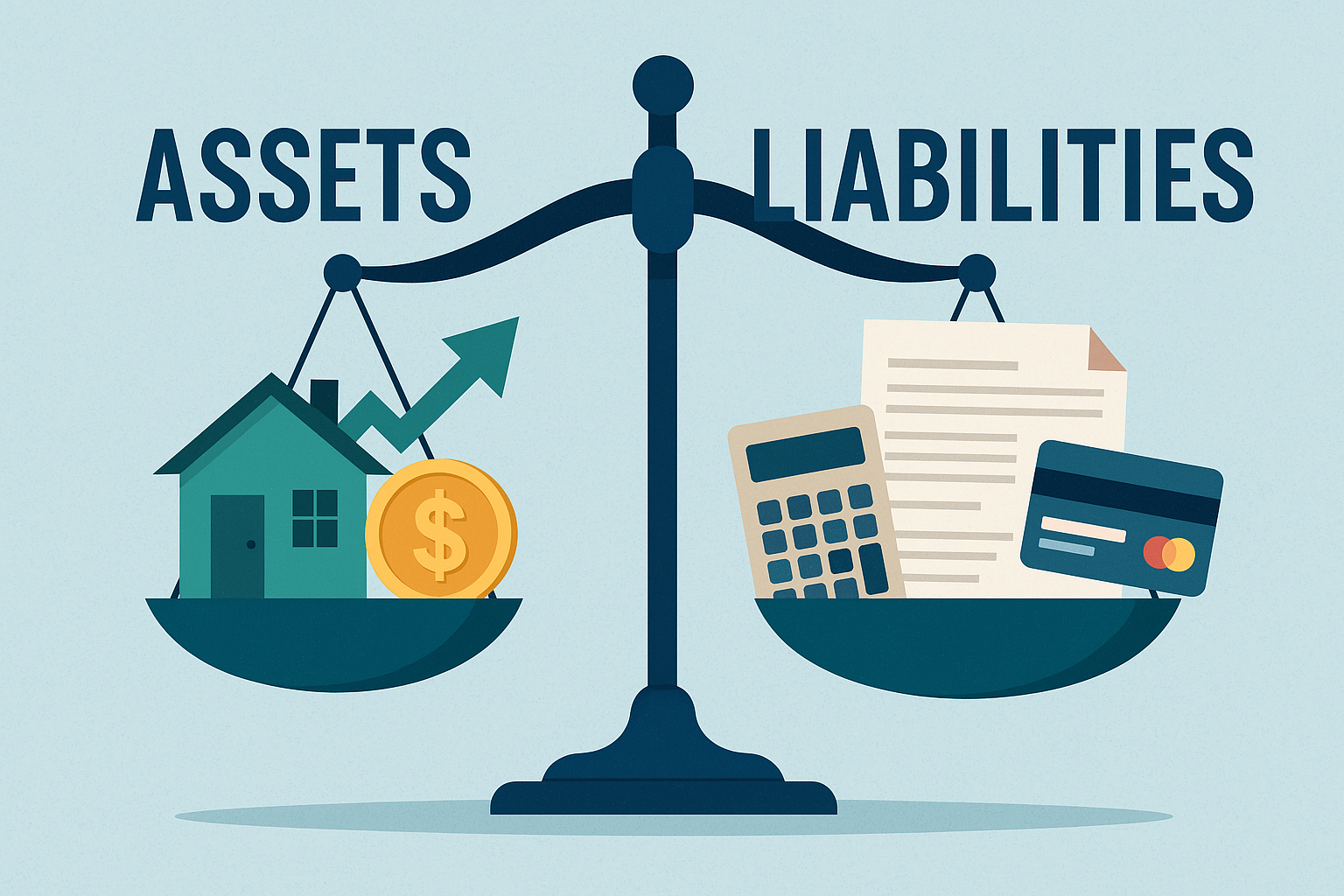
Understanding Why These Concepts Matter
Understanding the difference between assets and liabilities is a fundamental part of financial literacy, yet many beginners enter adult life without ever being taught these concepts clearly. Assets and liabilities shape the way your money behaves, influence your long-term wealth, and determine whether your financial life moves forward or backward over time. When you understand what each one means and how they interact, you gain the power to make decisions that support stability and growth instead of falling into financial traps. Most people who struggle financially are not necessarily earning too little; instead, they misunderstand how money flows in and out of their lives. This article explains assets and liabilities in practical terms, exploring how they affect your financial present and future.
What an Asset Really Is
An asset is anything you own that adds positive value to your financial life. More specifically, an asset is something that either increases in value, generates income, or provides financial security. While people often think of assets only as physical items or large investments, the definition is broader and more flexible. An asset can be a savings account, a piece of property, a skill that leads to higher income, an investment that grows over time, or even a financial tool that strengthens stability. The essential point is that an asset supports your financial life in a beneficial way.
Assets tend to grow, appreciate, or create opportunity. When you acquire assets intentionally and maintain them wisely, they become the foundation of financial independence. The more assets you have working in your favor, the easier it becomes to reach long-term goals, overcome emergencies, and build a sense of freedom around money.
How Assets Create Financial Strength
Assets influence your financial life in multiple ways. Some create direct income, such as dividends from stocks or rent from properties. Others increase in value over time, allowing you to build wealth passively. Some assets do not generate income directly but reduce your expenses or strengthen your financial framework. For example, having an emergency fund is not a profit-generating asset, but it protects you from debt and financial stress, which is equally valuable.
Assets give you options. They allow you to make decisions based on strategy rather than necessity. They offer a safety net during hard times and new opportunities during good times. When assets grow, your financial independence increases. When you rely heavily on assets rather than income alone, you create a system in which your money works for you instead of requiring constant labor.
What a Liability Really Is
A liability is the opposite of an asset. It is something that takes money away from you, creates long-term financial obligations, or loses value over time. Liabilities require payments, reduce financial flexibility, and often increase financial stress when not managed carefully. Many people accumulate liabilities because they confuse them with assets. For instance, buying an expensive car may feel like an investment, but in financial terms, it is a liability because it depreciates and requires constant spending on maintenance, insurance, and fuel.
Liabilities are not always bad or avoidable. Some, like mortgages or student loans, can play a positive role when they support long-term growth. The problem arises when liabilities accumulate faster than assets or when they are taken on without a clear financial purpose. Understanding liabilities clearly allows you to choose them strategically instead of letting them drain your financial resources unnecessarily.
How Liabilities Drain Financial Momentum
Liabilities affect your financial life by reducing your available cash flow. When you take on a liability, you commit to sending money away from your future self. Monthly payments become obligations that limit what you can do with your income. High-interest liabilities, such as credit card debt, can trap you in a financial cycle where a large portion of your income goes toward interest rather than progress.
Liabilities also influence your emotional well-being. They create pressure, reduce flexibility, and increase the risk of financial emergencies becoming crises. When liabilities outweigh assets, it becomes difficult to save, invest, or build toward meaningful goals. Understanding this dynamic is essential for staying in control of your financial future.
The Relationship Between Assets and Liabilities
The relationship between assets and liabilities determines your net worth, which is a key measure of financial health. Net worth is calculated by subtracting your liabilities from your assets. When your assets grow faster than your liabilities, your net worth increases. When liabilities grow faster than assets, your net worth declines. This relationship explains why people with high incomes can still struggle financially. Income alone does not determine wealth; the balance between assets and liabilities does.
Building wealth is not about avoiding liabilities entirely but about managing them wisely while prioritizing asset growth. A balanced financial life includes healthy, productive assets and limited, strategic liabilities. When this balance is managed carefully, financial stress decreases and long-term stability increases.
Why Many People Confuse Assets and Liabilities
One reason beginners struggle financially is that society often mislabels liabilities as assets. For example, a new car might be described as an asset simply because you own it. However, if something loses value over time and requires constant spending, it does not increase your financial strength. Similarly, a large house may look like an asset, but if it costs more to maintain than it contributes to your wealth, it functions more like a liability.
Marketing, social pressure, and emotional attachments can blur the line between what helps your finances and what harms them. When people begin identifying assets and liabilities correctly, they start making decisions that support long-term well-being rather than short-term satisfaction.
How Assets Support Your Long-Term Goals
Assets are essential for achieving long-term goals such as buying a home, starting a business, retiring comfortably, or gaining financial freedom. Growth-oriented assets, like investments, allow your money to expand over time through compounding. Income-producing assets help create stability by generating cash flows that reduce reliance on your job. Protective assets, such as emergency savings, give you a buffer that prevents setbacks from turning into long-term problems.
When you build your financial strategy around assets, you create a future where progress is steady and resilient. Each asset becomes a tool that moves you closer to stability and independence.
How Liabilities Slow Down Progress
Liabilities, especially high-interest ones, slow progress by diverting money away from savings and investments. They reduce your ability to take advantage of opportunities and keep you tied to past spending decisions. When liabilities accumulate, even small financial goals become difficult. Debt payments reduce your monthly flexibility, increase financial anxiety, and make your financial life feel out of control.
Learning to manage liabilities strategically is essential. Some liabilities, like student loans or home mortgages, may be valuable when used appropriately. The key is understanding the purpose of each liability and ensuring it supports your long-term financial strategy instead of undermining it.
Transforming Liabilities Into Opportunities
While liabilities are often seen negatively, some can serve as stepping stones toward financial growth when handled correctly. A mortgage can help build home equity. A business loan can create income if the business succeeds. Even student loans can increase long-term earning potential when they support valuable education. The key is intentionality. A liability becomes beneficial when it aligns with a well-thought-out financial plan and when the benefits outweigh the long-term costs.
When liabilities serve a meaningful purpose, they become tools rather than burdens. The difference lies in whether they support or sabotage your financial goals.
Simplifying Your Financial Growth Strategy
A simple strategy for financial growth is to increase assets while reducing unnecessary liabilities. This approach does not require extreme frugality or high income. It requires awareness, intention, and consistency. Choosing to spend money on assets rather than liabilities shifts your financial direction toward progress. Each asset added to your life strengthens your foundation. Each liability reduced or avoided frees up cash flow that can be used for savings or investments.
Over time, this strategy results in a financial life that grows naturally rather than one that struggles to stay afloat.
The Emotional Impact of Assets and Liabilities
Financial decisions are rarely purely logical. They often carry emotional weight. Assets create feelings of stability, security, and confidence. They demonstrate progress and encourage long-term thinking. Liabilities, on the other hand, often create anxiety, pressure, and stress, especially when they accumulate or become difficult to manage. By understanding the emotional impact of each, you can make decisions that support both your financial and your mental well-being.
Building a Future Based on Assets
When you commit to building your financial life around assets, you shift from a reactive mindset to a proactive one. Instead of constantly responding to financial stress, you begin shaping a future where opportunities expand and risks decrease. Asset-building is a long-term process, but each step forward increases your independence. The earlier you begin, the stronger your foundation becomes.
Final Thoughts
Understanding assets and liabilities is essential for anyone who wants to achieve financial stability, reduce stress, and build long-term wealth. Assets contribute to growth, stability, and opportunity. Liabilities create obligations, reduce flexibility, and can slow progress when not managed carefully. The key to transforming your financial life is recognizing the difference between the two and making intentional choices that increase your assets while limiting harmful liabilities. When you understand how money flows in and out of your financial life, you gain the power to shape your future with clarity and confidence. With time, consistency, and awareness, anyone can build a financial life supported by strong assets and free from unnecessary liabilities.

Nanda Cardoso is a personal finance writer focused on financial education, money habits, and financial well-being. The content published on this site is for educational purposes only and does not constitute financial advice.